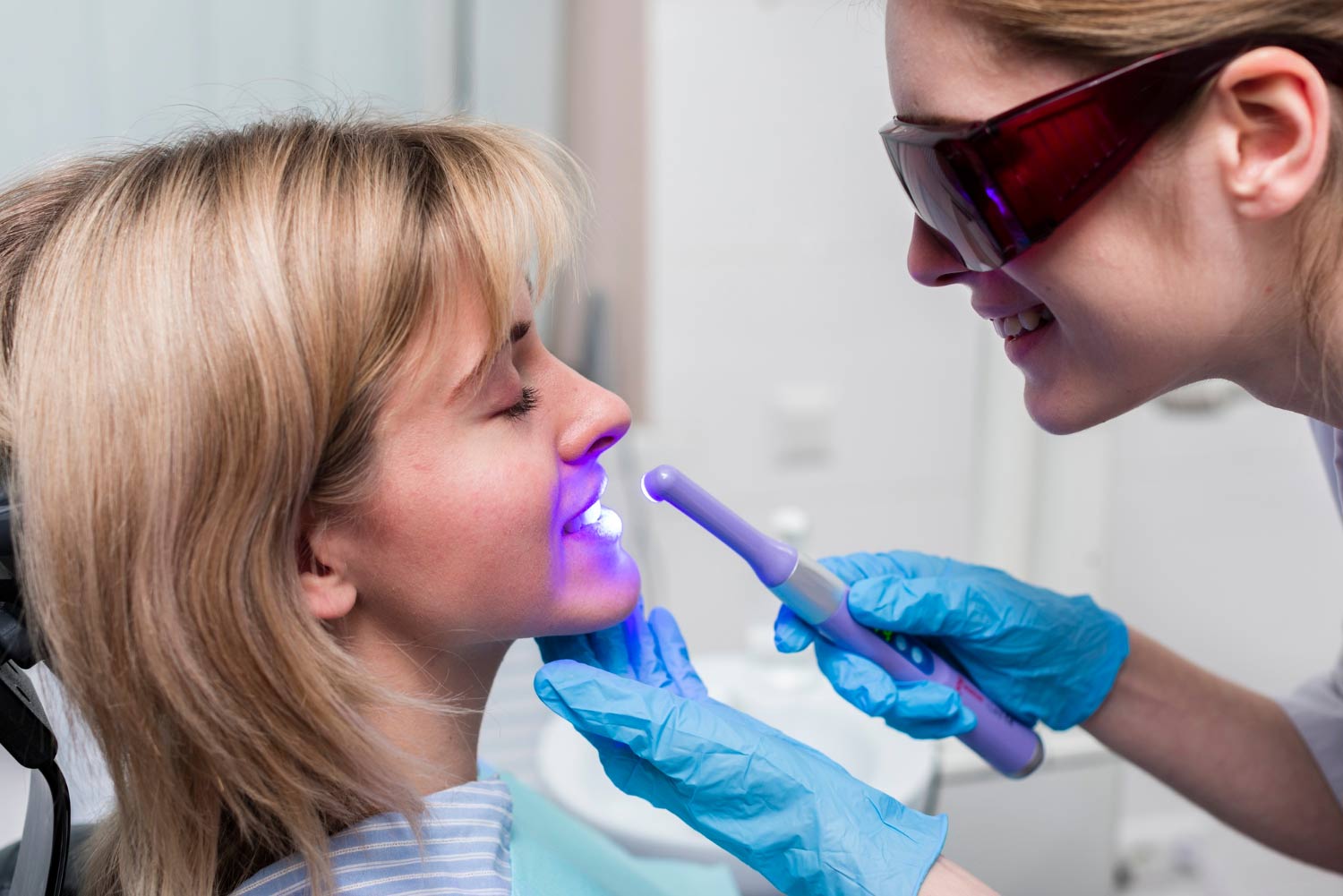
Dental care for anxious family members combines a judgment-free approach with sedation options that make treatment possible for children, adults, and seniors who fear the dentist. Nitrous oxide, oral sedation, and IV sedation each match a different anxiety level and procedure complexity, and a family dentist can coordinate visits so an anxious patient is never isolated in the process. This guide explains how dental anxiety affects each generation, which sedation option fits which situation, and how families plan care together. For a complete overview of family dental care, see our main guide: Family Dentistry: A Complete Guide to Lifelong Dental Care for Every Age. You can also review our sedation dentistry service page: Sedation Dentistry.
Bonaventure Dental Care treats anxious patients of all ages at 13431 Tiger Bend Rd in Baton Rouge, LA 70817. The practice serves families across St. George, Shenandoah, Old Jefferson, Oak Hills Place, and the Tiger Bend corridor. Dr. Justin K. Bonaventure leads the practice as owner and lead dentist.
Dental anxiety connects to dental avoidance, which allows small problems to become large ones. It also connects to sedation dentistry, which gives anxious patients a path back to routine care. Both topics appear throughout this guide.
Table of Contents
What Is Dental Anxiety? | Anxiety by Generation | Sedation Options | Matching Sedation to the Patient | Planning Family Visits | Safety and Monitoring | FAQs
Key Takeaways (TL;DR)
- Dental anxiety affects patients of every age, and the Mayo Clinic notes it can stem from fear of pain, loss of control, embarrassment, or past trauma.
- Avoidance makes problems worse, turning minor cavities into root canals and early gum disease into periodontitis.
- Nitrous oxide provides mild relaxation and wears off within minutes, which makes it suitable for cleanings and fillings.
- Oral sedation uses a pill taken before the appointment to produce moderate sedation for patients who need more than nitrous oxide.
- IV sedation delivers deeper relaxation for longer or more complex procedures such as implants or full-mouth reconstruction.
- Families benefit from coordinated visits, and a family dentist can schedule anxious patients alongside a calm parent or sibling to reduce fear.
What Is Dental Anxiety?
Dental anxiety is a persistent fear of dental treatment that ranges from mild unease to a phobia severe enough to prevent a patient from seeking care at all. The Mayo Clinic notes that dental anxiety can stem from fear of pain, loss of control, embarrassment about oral health, or past trauma. The condition affects children, adults, and seniors, and it often runs in families.
Dental anxiety differs from a simple dislike of the dentist. Anxious patients may cancel appointments, delay treatment for years, or experience physical symptoms such as sweating, rapid heartbeat, or nausea before a visit. When anxiety prevents care, small problems become large ones. A minor cavity becomes a root canal. Early gum disease becomes periodontitis. A chipped tooth becomes a fractured tooth that requires extraction.
Signs of Dental Anxiety
- Sweating, shaking, or rapid heartbeat before or during a dental visit
- Feeling faint or nauseated in the dental chair
- Canceling or rescheduling appointments repeatedly
- Avoiding the dentist for years despite knowing care is needed
- Trouble sleeping the night before an appointment
- Extreme fear after a previous painful or traumatic dental experience
Why Anxiety Leads to Avoidance
Anxiety leads to avoidance because the brain associates the dental office with danger, and avoidance provides immediate relief. That relief reinforces the pattern, which makes the next visit harder. Over time, avoidance produces a cycle: the longer a patient stays away, the more treatment is needed, and the more treatment is needed, the more the patient fears the visit.
Breaking the cycle requires a dentist who recognizes anxiety, offers sedation, and creates a judgment-free environment. Bonaventure Dental Care emphasizes comfort and reducing dental anxiety, and the practice offers multiple sedation options for patients of every age.
Anxiety by Generation
Dental anxiety changes with age, and each generation faces different triggers. A child may fear the unknown. A teenager may fear embarrassment about braces or cavities. An adult may carry a bad experience from childhood. A senior may worry about treatment cost, transportation, or the physical demands of longer procedures. Understanding these differences helps families plan care that fits each member.
Children and Dental Anxiety
Children develop dental attitudes between ages two and seven, and a parent’s own anxiety often shapes the child’s response. A child who sees a parent relaxed at the dentist is more likely to cooperate. A child who hears a parent describe painful experiences learns to expect the same. Nitrous oxide is the most common sedation option for children who need help relaxing during a cleaning or filling.
Adults and Dental Anxiety
Adults with dental anxiety often trace it to a childhood experience, a painful procedure, or a dentist who dismissed their concerns. Adults who have avoided care for years may feel ashamed of the condition of their teeth, which adds embarrassment to fear. Oral sedation and IV sedation help adults complete treatment that has been delayed for years.
Seniors and Dental Anxiety
Seniors face anxiety triggers that younger patients do not. Treatment cost, transportation, and the physical demands of longer procedures can all contribute. Seniors may also worry about how dental treatment interacts with their medications or chronic conditions. The dentist reviews medical history before recommending a sedation plan.
Bonaventure Dental Care treats anxious patients of every age. The practice serves families across St. George, Shenandoah, Old Jefferson, Oak Hills Place, and the Tiger Bend corridor.
Sedation Options for Anxious Patients
Sedation dentistry offers three primary options: nitrous oxide, oral sedation, and IV sedation. Each produces a different depth of relaxation, and the right choice depends on the patient’s anxiety level, age, medical history, and the complexity of the procedure. A family dentist can match each member to the appropriate option.
Bonaventure Dental Care offers nitrous oxide, oral sedation, and IV sedation. The practice reviews each patient’s medical history and medications before recommending an option.
Matching Sedation to the Patient and Procedure
Matching sedation to the patient requires weighing anxiety level, age, medical history, procedure complexity, and the patient’s preference. A child who needs a single filling may do well with nitrous oxide. An adult who has avoided the dentist for a decade and needs multiple fillings, a crown, and a cleaning may need IV sedation to complete treatment in one or two visits.
When Nitrous Oxide Fits
- Mild anxiety that makes it hard to relax but does not prevent treatment
- Short procedures such as cleanings, exams, and single fillings
- Children who need help staying still during a filling
- Patients who want to drive themselves home after the appointment
When Oral Sedation Fits
- Moderate anxiety that nitrous oxide does not fully address
- Procedures lasting longer than a single filling, such as multiple fillings or a crown
- Patients who prefer a pill over an IV
- Patients who can arrange a driver for the trip home
When IV Sedation Fits
- Severe anxiety or dental phobia
- Longer procedures such as dental implants, root canals, or full-mouth reconstruction
- Multiple procedures combined into one visit
- Patients with a strong gag reflex that interferes with treatment
- Patients who want to complete years of delayed care in one or two appointments
A dentist who offers all three options can match each patient without referring to another practice. Bonaventure Dental Care provides nitrous oxide, oral sedation, and IV sedation, which allows families to receive care at one location.
Planning Family Visits Around Anxiety
Families plan dental visits around anxiety by scheduling calm and anxious members together, choosing appointment times that reduce stress, and preparing each patient before the visit. A child who sees a parent or sibling receive care without distress is more likely to cooperate. An adult who knows a spouse is in the next room may feel less isolated.
Scheduling Strategies
- Schedule the anxious patient alongside a calm family member when possible.
- Choose morning appointments when energy is higher and the office is quieter.
- Avoid scheduling an anxious child during naptime or after a long day at school.
- Ask about back-to-back appointments for siblings to reduce the number of trips.
- For patients using oral or IV sedation, arrange a driver and clear the rest of the day.
Preparing an Anxious Family Member
- Tell the dentist about the patient’s anxiety before the appointment.
- Use neutral language. Avoid “It won’t hurt” and “Don’t be scared.”
- Read dental-themed books with young children before the first visit.
- Bring a comfort item such as a favorite toy or blanket.
- Discuss sedation options in advance so the patient knows what to expect.
- Avoid sharing your own negative dental experiences in front of the patient.
Building Positive Associations Over Time
Anxious patients build positive associations through repeated, low-stress visits. A first visit may involve only a tour, an exam, and a conversation. Once the patient trusts the dentist, treatment can proceed. Sedation makes the early visits possible, and consistent care gradually reduces the fear that drives avoidance.
Bonaventure Dental Care emphasizes comfort and a judgment-free environment. The practice treats children and adults together, which allows anxious patients to see that dental visits are routine for the rest of the family.
Safety and Monitoring During Sedation
Sedation safety depends on proper patient selection, trained clinical staff, and continuous monitoring during the procedure. The dentist reviews medical history, medications, and allergies before recommending sedation. During the appointment, staff monitor vital signs such as heart rate, blood pressure, and oxygen saturation. After the appointment, the patient rests until the effects subside and must have a driver for oral or IV sedation.
The American Dental Association publishes guidelines on the use of sedation and anesthesia in dentistry, and the Louisiana Dental Association supports continuing education for dentists who provide sedation. Dr. Bonaventure is a member of both organizations and a former president of the Greater Baton Rouge Dental Association.
Who Should Not Receive Sedation
Sedation is not appropriate for every patient. The dentist may recommend against sedation for patients with certain heart or lung conditions, uncontrolled sleep apnea, or allergies to specific sedatives. Pregnancy, recent surgery, and some medications also affect candidacy. The dentist evaluates each patient before recommending a plan.
What to Expect After Sedation
- Drowsiness that lasts several hours after oral or IV sedation
- Mild nausea in some patients
- Dry mouth
- Difficulty recalling parts of the appointment
- Need for rest and hydration for the remainder of the day
- No driving, operating machinery, or making important decisions until the effects wear off
Frequently Asked Questions About Dental Anxiety and Sedation
Q: What is sedation dentistry?
A: Sedation dentistry uses medication to help patients relax during dental treatment. Options include nitrous oxide, oral sedation, and IV sedation. The right choice depends on the patient’s anxiety level, age, medical history, and the complexity of the procedure.
Q: Is sedation dentistry safe?
A: Sedation dentistry is safe when performed by a trained dentist who monitors the patient throughout the procedure. The dentist reviews medical history, medications, and allergies before recommending sedation. The American Dental Association publishes guidelines on sedation and anesthesia in dentistry.
Q: Can children receive sedation dentistry?
A: Yes. Nitrous oxide is the most common sedation option for children and wears off within minutes. Oral sedation is also available for children who need more than nitrous oxide. The dentist reviews the child’s health history before recommending an option.
Q: Will I be unconscious during IV sedation?
A: IV sedation produces deep relaxation but does not usually render a patient fully unconscious. Most patients remain responsive and can follow simple instructions. Some patients recall little of the appointment afterward.
Q: Can I drive myself home after sedation?
A: No. Patients who receive oral or IV sedation must arrange a driver for the trip home and should not drive, operate machinery, or make important decisions for the rest of the day. Nitrous oxide wears off quickly enough that most patients can drive themselves after the appointment.
People Also Ask About Dental Anxiety and Sedation
How much does sedation dentistry cost? The cost of sedation dentistry varies by the type of sedation and the procedure. Nitrous oxide typically costs less than oral or IV sedation, and insurance coverage varies by plan. Cost figures are for education and research only and do not reflect the pricing of Bonaventure Dental Care. Contact the practice for specific pricing and insurance information.
What if I have a strong gag reflex? A strong gag reflex can interfere with dental treatment, including exams and impressions. IV sedation reduces the gag reflex and allows the dentist to complete treatment comfortably. The dentist can discuss sedation options for patients with a sensitive gag reflex.
Can dental anxiety be cured? Dental anxiety is manageable but not always curable. Sedation, a judgment-free approach, and repeated low-stress visits reduce fear over time. Some patients continue to use sedation for every visit, and others gradually reduce their reliance on it.
How do I tell my dentist about my anxiety? Tell the dentist before the appointment, either by phone or in person. Describe what triggers the anxiety, what has helped in the past, and what sedation options you are open to. A dentist experienced with anxious patients will adjust the visit to reduce stress.
Can I bring a family member to my dental appointment? Most practices allow a family member to accompany an anxious patient, especially a child. Ask about the practice’s policy before the appointment. A calm family member can provide reassurance and reduce fear.
People Also Search For
- Sedation dentist for anxious patients near me
- Nitrous oxide for dental anxiety
- IV sedation dentistry for adults
- Sedation dentistry for children
- Dentist for dental phobia Baton Rouge
About Dr. Justin K. Bonaventure

Dr. Justin K. Bonaventure owns and leads Bonaventure Dental Care in Baton Rouge, LA. He provides family dentistry and sedation dentistry to anxious patients of all ages across St. George, Shenandoah, Old Jefferson, Oak Hills Place, and the Tiger Bend corridor. The practice offers nitrous oxide, oral sedation, and IV sedation. Dr. Bonaventure is a member of the American Dental Association and the Louisiana Dental Association, and he is a former president of the Greater Baton Rouge Dental Association.
Learn more about the practice: Meet the Team | Sedation Dentistry | Dental Anxiety
Sources
- American Dental Association. “Guidelines for the Use of Sedation and General Anesthesia by Dentists.” ada.org
- Mayo Clinic. “Dental anxiety: Tips for coping.” mayoclinic.org
- National Institute of Dental and Craniofacial Research. “Oral Health in Older Adults.” nidcr.nih.gov
- Bonaventure Dental Care. “Sedation Dentistry.” bonaventuredental.com
- Bonaventure Dental Care. “Dental Anxiety.” bonaventuredental.com
- American Academy of Pediatric Dentistry. “Policy on the Dental Home.” aapd.org
Conclusion
Dental care for anxious family members begins with recognizing that anxiety affects every generation differently and choosing a sedation option that matches each patient. Nitrous oxide provides mild relaxation for cleanings and fillings. Oral sedation produces moderate sedation for longer procedures. IV sedation delivers deeper relaxation for severe anxiety and complex treatment. A judgment-free approach and coordinated family visits help anxious patients build positive associations over time.
Bonaventure Dental Care treats anxious patients of all ages at 13431 Tiger Bend Rd in Baton Rouge, LA 70817. The practice serves families across St. George, Shenandoah, Old Jefferson, Oak Hills Place, and the Tiger Bend corridor. Dr. Justin K. Bonaventure leads a team focused on comfort, prevention, and judgment-free care for every age.
Ready to Schedule Dental Care for an Anxious Family Member?
Call Bonaventure Dental Care to discuss sedation options and schedule an appointment. Same-day emergency appointments are available for toothaches and dental injuries.
📍 13431 Tiger Bend Rd, Baton Rouge, LA 70817 | 📞 (225) 753-0123
Return to the main family dentistry guide: Family Dentistry: A Complete Guide to Lifelong Dental Care for Every Age. Read our guide to children’s dentistry: Family Dentistry for Children: A Parent’s Guide to First Visits and Early Oral Care. Read our guide to adult dentistry: Family Dentistry for Adults: How Routine Dental Care Changes With Age. Read our guide to senior dentistry: Family Dentistry for Seniors: Managing Dental Health in Older Adults.
Last reviewed: September 2026