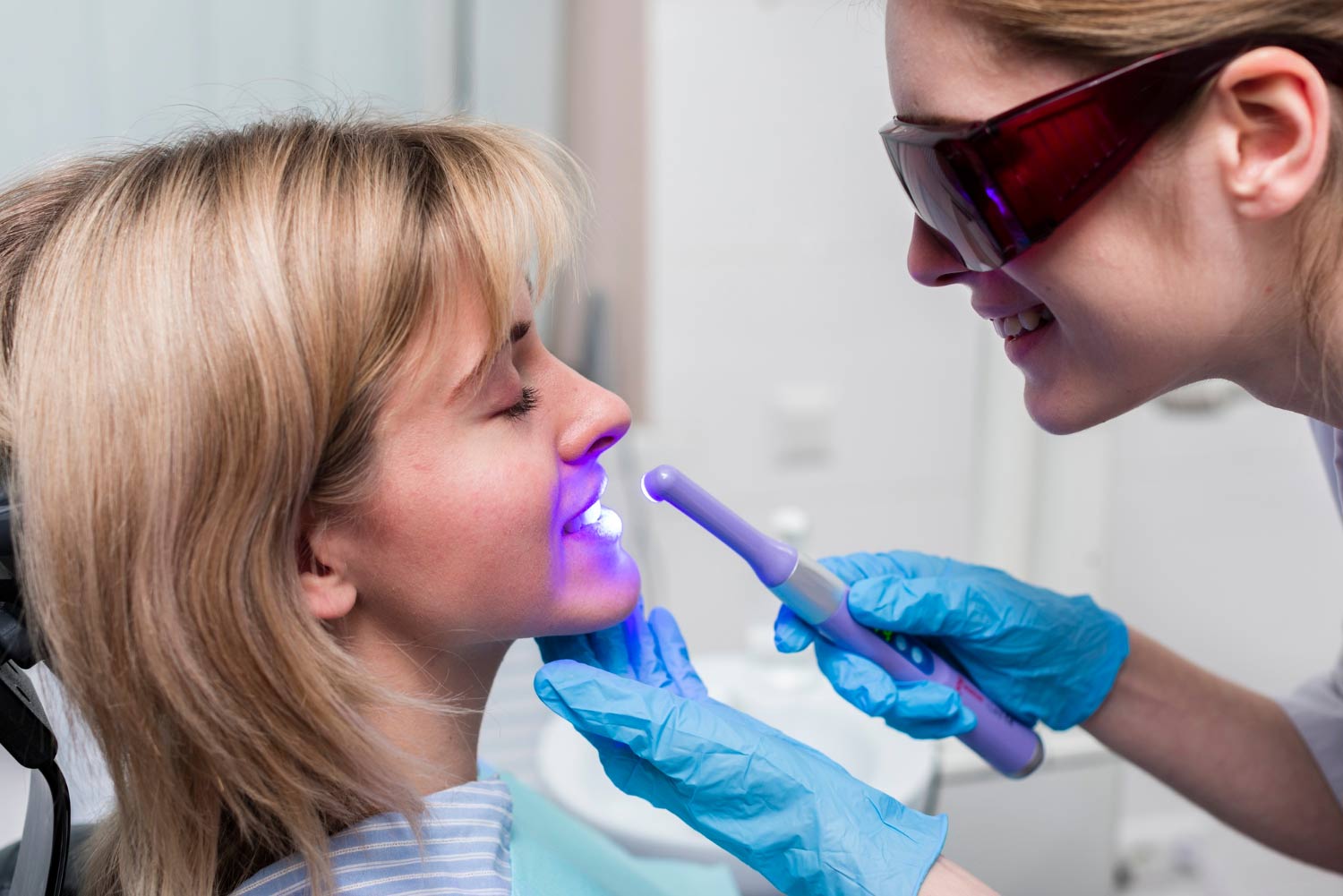
Family dentistry for seniors adapts routine dental care to the changes that occur after age 65, including dry mouth from medications, gum recession, root decay, and the transition from natural teeth to dentures or implants. Older adults need professional cleanings and exams at intervals set by their dentist, typically every six months, plus targeted treatment when decay, gum disease, or failing restorations appear. This guide explains how senior dental needs differ, which conditions become more common with age, and how sedation helps older adults who have delayed care. For a complete overview of family dental care, see our main guide: Family Dentistry: A Complete Guide to Lifelong Dental Care for Every Age. You can also review our family dentistry service page: Family Dentistry.
Bonaventure Dental Care treats seniors and patients of all ages at 13431 Tiger Bend Rd in Baton Rouge, LA 70817. The practice serves families across St. George, Shenandoah, Old Jefferson, Oak Hills Place, and the Tiger Bend corridor. Dr. Justin K. Bonaventure leads the practice as owner and lead dentist.
Senior dental care connects to gum disease treatment, which protects the bone and tissue supporting teeth. It also connects to dentures and dental implants for older adults who need tooth replacement. Both topics appear throughout this guide.
Key Takeaways (TL;DR)
- Seniors need routine dental care every six months, or more often if gum disease, dry mouth, or other risk factors are present.
- Dry mouth affects up to 30 percent of older adults, according to the National Institute of Dental and Craniofacial Research, and increases cavity risk significantly.
- Gum recession exposes tooth roots, which are softer than enamel and decay more quickly, making root cavities a common senior dental problem.
- Dentures and dental implants replace missing teeth, and seniors benefit from regular fit checks as bone and gum tissue change.
- Sedation dentistry helps older adults with anxiety or complex treatment needs complete care comfortably in fewer visits.
- Oral health connects to overall health, and gum disease has been associated with cardiovascular disease, diabetes complications, and pneumonia in older adults.
How Senior Dental Care Changes After 65
Senior dental care shifts from maintaining teeth to preserving function and adapting to age-related changes in the mouth. A 50-year-old may need only routine cleanings and occasional fillings. A 70-year-old may need treatment for dry mouth, root decay, gum disease, and failing restorations, plus management of dentures or implants. The dentist adjusts the plan to the patient’s health status and medications.
The American Dental Association recommends routine checkups at intervals determined by the dentist based on each patient’s risk factors. Most seniors benefit from a cleaning and exam every six months. Adults with periodontal disease, dry mouth, or cognitive decline may need visits every three to four months to monitor oral health.
What Changes Between Ages 65 and 75
Early senior years bring increased use of prescription medications, many of which cause dry mouth. Gum recession that began in middle age continues, exposing tooth roots to decay. Restorations placed decades earlier reach the end of their lifespan. Some seniors begin transitioning from natural teeth to partial dentures or implant-supported replacements.
What Changes After Age 75
Later senior years bring higher rates of tooth loss, cognitive decline that affects oral hygiene, and reduced manual dexterity that makes brushing and flossing harder. The National Institute of Dental and Craniofacial Research notes that older adults are more likely to experience root decay and tooth loss than younger adults. Seniors in assisted living or nursing homes may need additional support to maintain oral hygiene.
Dry Mouth and Medication Effects in Older Adults
Dry mouth affects up to 30 percent of older adults, according to the National Institute of Dental and Craniofacial Research. The condition, called xerostomia, occurs when saliva production decreases. Saliva neutralizes acids, washes away food particles, and remineralizes enamel. Without adequate saliva, cavity risk rises sharply and gum disease progresses more quickly.
More than 500 medications list dry mouth as a side effect, including drugs for blood pressure, depression, allergies, and urinary incontinence. Seniors who take multiple medications face compounded risk. Cancer treatment, autoimmune diseases such as Sjogren’s syndrome, and diabetes also reduce saliva production.
Managing Dry Mouth
- Drink water throughout the day to keep the mouth moist and rinse away food particles.
- Chew sugar-free gum or suck on sugar-free lozenges to stimulate saliva flow.
- Use fluoride toothpaste and mouthwash to strengthen enamel and reduce cavity risk.
- Avoid alcohol-based mouthwashes, which dry the mouth further.
- Limit caffeine and alcohol, both of which reduce saliva production.
- Ask a physician about medication adjustments if dry mouth is severe, though changes should never be made without medical guidance.
- Use a prescription fluoride gel if the dentist recommends it for high cavity risk.
Bonaventure Dental Care monitors dry mouth at routine exams and recommends fluoride treatments or prescription products when needed. The practice also provides gum disease treatment for seniors whose dry mouth has contributed to periodontal problems.
Gum Recession and Root Decay in Seniors
Gum recession exposes tooth roots, which are covered by cementum rather than enamel. Cementum is softer than enamel and decays more quickly when exposed to acids and bacteria. Root cavities, also called cervical caries, are a common dental problem in older adults and often require fillings, crowns, or root canal therapy.
Gum recession results from years of brushing too hard, gum disease, and the natural aging process. Seniors with receding gums often experience tooth sensitivity to hot, cold, and sweet foods. The CDC reports that nearly half of adults age 30 and older show signs of periodontal disease, and the rate rises with age.
Preventing and Treating Root Decay
- Brush gently with a soft-bristled toothbrush to avoid further gum recession.
- Use fluoride toothpaste to strengthen exposed root surfaces.
- Schedule routine cleanings to remove plaque before it hardens into tartar.
- Treat gum disease early with scaling and root planing to slow recession.
- Address root cavities promptly with fillings or crowns before they reach the pulp.
Bonaventure Dental Care provides dental crowns and root canal therapy for seniors with root decay. The practice also offers gum disease treatment to slow recession and preserve natural teeth.
Tooth Replacement for Seniors: Dentures and Implants
Tooth replacement restores chewing function, speech, and appearance for seniors who have lost teeth to decay, gum disease, or trauma. Dentures replace full or partial arches of teeth, while dental implants replace individual tooth roots with titanium posts that support crowns, bridges, or overdentures. The best option depends on bone density, overall health, and patient preference.
Bonaventure Dental Care offers dentures, dental implants, and implant-supported dentures for seniors. The practice evaluates bone density, gum health, and medical history before recommending a treatment plan. Regular fit checks help seniors avoid sore spots, clicking, and chewing difficulty.
Dental Anxiety in Older Adults
Dental anxiety affects older adults for many of the same reasons it affects younger patients: fear of pain, loss of control, embarrassment about oral health, or past trauma. Seniors may also worry about treatment cost, transportation to appointments, or the physical demands of longer procedures. The Mayo Clinic notes that dental anxiety can lead to avoidance, which allows problems to worsen.
Seniors who have avoided the dentist for years often face extensive treatment needs. Addressing those needs comfortably requires a judgment-free approach and, in many cases, sedation. Bonaventure Dental Care emphasizes comfort and reducing dental anxiety, and the practice offers multiple sedation options for older adults.
Sedation Options for Seniors
Sedation dentistry offers options tailored to a patient’s anxiety level and procedure complexity. Nitrous oxide provides mild relaxation and wears off quickly, which makes it suitable for cleanings and fillings. Oral sedation uses a pill taken before the appointment to produce moderate sedation. IV sedation delivers medication directly into the bloodstream for deeper relaxation during longer or more complex procedures such as implants or full-mouth reconstruction.
Sedation allows seniors who have delayed care to complete multiple procedures in fewer visits. A patient who needs several fillings, a crown, and an extraction can receive treatment in one or two sedation appointments rather than several anxiety-provoking visits. The dentist reviews medical history and medications before recommending a sedation plan.
Oral Health and Overall Health in Older Adults
Oral health connects to overall health, and gum disease has been associated with cardiovascular disease, diabetes complications, and pneumonia in older adults. The CDC notes that periodontal disease is more common in adults with diabetes and that inflammation from gum disease may contribute to other chronic conditions. Maintaining oral health supports general health in older adults.
Gum Disease and Cardiovascular Health
Research has linked periodontal disease to an increased risk of heart attack and stroke, though the relationship is not fully understood. Chronic inflammation from gum disease may contribute to the narrowing of blood vessels. Seniors with cardiovascular conditions benefit from regular gum evaluations and treatment.
Diabetes and Gum Disease
Diabetes and gum disease have a two-way relationship. High blood sugar increases susceptibility to gum disease, and gum disease makes blood sugar harder to control. Seniors with diabetes need careful monitoring of gum health and may benefit from more frequent cleanings.
Pneumonia and Oral Bacteria
Oral bacteria can be aspirated into the lungs, which increases the risk of pneumonia in older adults, especially those in hospitals or nursing homes. Maintaining oral hygiene and treating gum disease reduce the bacterial load in the mouth and lower this risk.
Frequently Asked Questions About Senior Dental Care
Q: How often should seniors visit the dentist?
A: Most seniors benefit from a cleaning and exam every six months. Adults with periodontal disease, dry mouth, or cognitive decline may need visits every three to four months. The dentist determines the appropriate interval based on each patient’s oral health and risk factors.
Q: Why does dry mouth increase cavity risk?
A: Saliva neutralizes acids, washes away food particles, and remineralizes enamel. When saliva production decreases, these protective functions weaken, and cavity risk rises. Dry mouth affects up to 30 percent of older adults, according to the National Institute of Dental and Craniofacial Research.
Q: Are dental implants safe for seniors?
A: Dental implants are safe for most seniors, though the dentist evaluates bone density, gum health, and medical history before recommending treatment. Conditions such as uncontrolled diabetes or certain medications may affect implant success. The dentist reviews the patient’s health status before proceeding.
Q: How often should dentures be checked?
A: Dentures should be checked at each routine dental exam, typically every six months. Fit changes as bone and gum tissue change, and adjustments or relines may be needed every two to three years. Ill-fitting dentures cause sore spots, clicking, and difficulty chewing.
Q: Can gum disease be reversed in seniors?
A: Gingivitis, the earliest stage of gum disease, is reversible with professional cleaning and improved home care. Periodontitis is manageable but not curable. Treatment slows progression and preserves teeth, but ongoing monitoring and maintenance are required.
People Also Ask About Senior Dental Care
How much does senior dental care cost? The cost of senior dental care varies by procedure and insurance coverage. A routine cleaning and exam typically costs less than restorative or tooth replacement treatment. Medicare does not cover routine dental care, though some Medicare Advantage plans include dental benefits. Contact the practice for specific pricing and payment options.
Does Medicare cover dental implants? Original Medicare does not cover dental implants or most routine dental care. Some Medicare Advantage plans include dental coverage that may partially cover implants or dentures. Patients should review their plan details or contact the practice for guidance.
What causes tooth loss in older adults? Tooth loss in older adults results primarily from gum disease and decay. Trauma, failed restorations, and medication-related dry mouth also contribute. Regular dental care and prompt treatment of gum disease and cavities reduce the risk of tooth loss.
How can seniors with arthritis brush their teeth? Seniors with arthritis can use an electric toothbrush with a wide handle, add a foam grip to a manual toothbrush, or use a toothbrush with a flexible neck. Water flossers are easier to grip than string floss for some patients. An occupational therapist can recommend additional aids.
What should caregivers know about senior oral health? Caregivers should help seniors brush twice daily, clean dentures daily, and schedule routine dental visits. Caregivers should also watch for signs of gum disease, dry mouth, and ill-fitting dentures. Communicating with the dentist about the senior’s health and medications helps the dentist tailor care.
People Also Search For
- Dentist for seniors near me
- Denture care for older adults
- Dental implants for seniors
- Dry mouth treatment for seniors
- Sedation dentistry for older adults Baton Rouge
About Dr. Justin K. Bonaventure

Dr. Justin K. Bonaventure owns and leads Bonaventure Dental Care in Baton Rouge, LA. He provides family dentistry, sedation dentistry, dentures, dental implants, and gum disease treatment to seniors and patients of all ages across St. George, Shenandoah, Old Jefferson, Oak Hills Place, and the Tiger Bend corridor. Dr. Bonaventure is a member of the American Dental Association and the Louisiana Dental Association, and he is a former president of the Greater Baton Rouge Dental Association. The practice offers same-day emergency appointments and multiple sedation options for older adults.
Learn more about the practice: Meet the Team | Family Dentistry | Dentures | Dental Implants
Sources
- American Dental Association. “Dental Check-ups.” ada.org
- Centers for Disease Control and Prevention. “Periodontal Disease.” cdc.gov
- National Institute of Dental and Craniofacial Research. “Oral Health in Older Adults.” nidcr.nih.gov
- Mayo Clinic. “Dental anxiety: Tips for coping.” mayoclinic.org
- Bonaventure Dental Care. “Dentures.” bonaventuredental.com
- Bonaventure Dental Care. “Dental Implants.” bonaventuredental.com
Conclusion
Family dentistry for seniors adapts to the changes that occur after age 65. Dry mouth from medications increases cavity risk. Gum recession exposes tooth roots to decay. Dentures and dental implants replace missing teeth and require regular fit checks. Sedation dentistry helps older adults who have delayed care complete treatment comfortably. Oral health connects to overall health, and routine dental care supports general well-being in older adults.
Bonaventure Dental Care treats seniors and patients of all ages at 13431 Tiger Bend Rd in Baton Rouge, LA 70817. The practice serves families across St. George, Shenandoah, Old Jefferson, Oak Hills Place, and the Tiger Bend corridor. Dr. Justin K. Bonaventure leads a team focused on comfort, prevention, and judgment-free care for every age.
Ready to Schedule Senior Dental Care?
Call Bonaventure Dental Care to schedule a cleaning, exam, or consultation for yourself or an aging family member. Same-day emergency appointments are available for toothaches and dental injuries.
📍 13431 Tiger Bend Rd, Baton Rouge, LA 70817 | 📞 (225) 753-0123
Visit Our Homepage | Family Dentistry Services | Dentures | Dental Implants
Return to the main family dentistry guide: Family Dentistry: A Complete Guide to Lifelong Dental Care for Every Age. Read our guide to adult dentistry: Family Dentistry for Adults: How Routine Dental Care Changes With Age. Read our preventive care guide: Preventive Dental Care: Cleanings, Exams, and Habits That Protect Every Age.
Last reviewed: September 2026