By Dr. Austin Safford, DDS
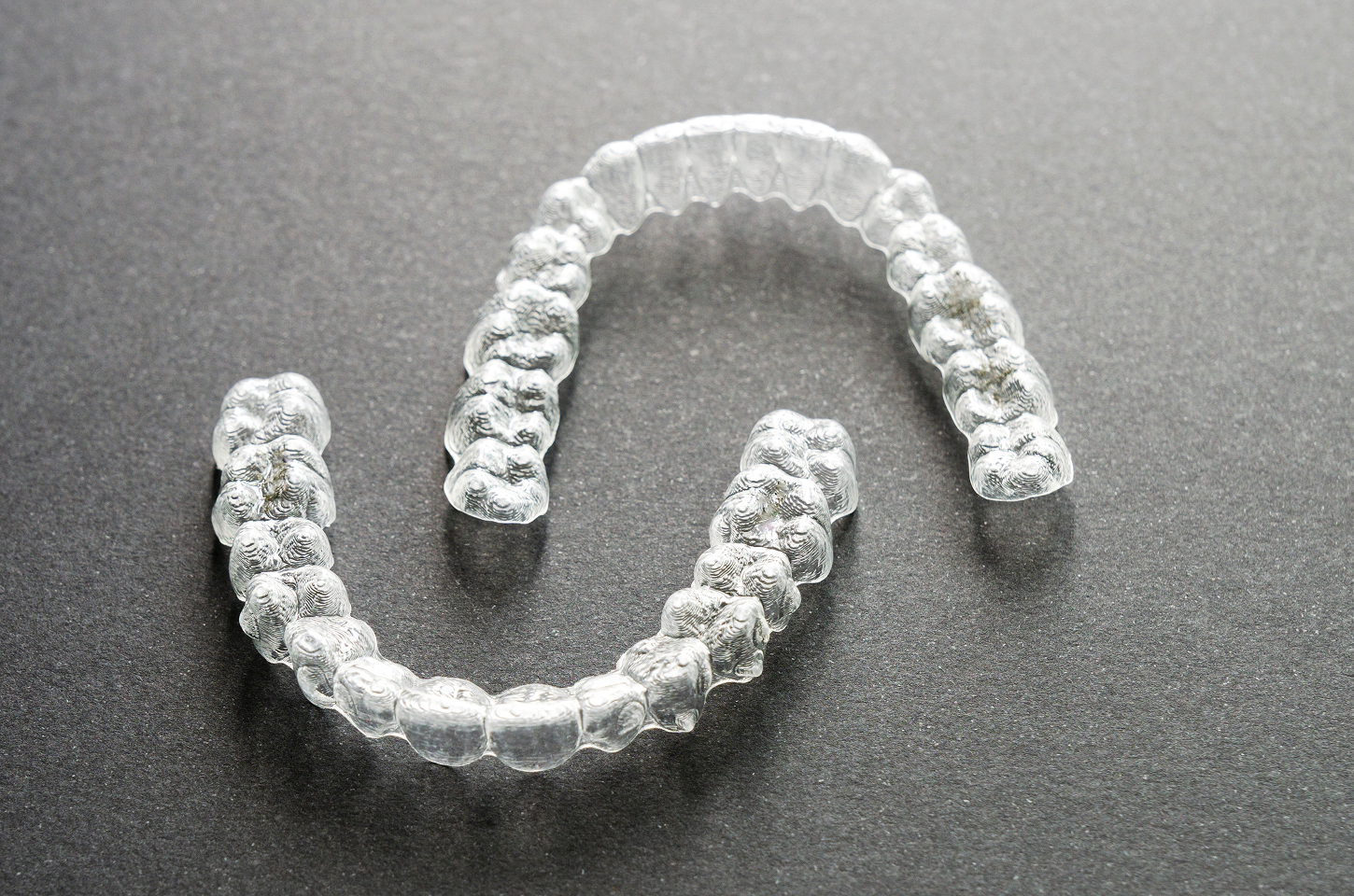
Clear aligners can be just as effective as braces for many common alignment concerns when they are used for the right type of tooth movement and worn as directed. The best treatment depends on your bite, the amount of movement your teeth need and which approach fits your daily routine.
You deserve a plan built around your smile, your goals and what will work realistically in your daily life. At Bonaventure Dental Care in Baton Rouge, LA, Dr. Austin Safford, DDS, uses Invisalign clear aligners for appropriate cases and starts with careful evaluation rather than assuming one treatment fits everyone. If you have been hesitant to approach tooth straightening because you do not want visible brackets and wires, clear aligners may give you another path forward.
Can Clear Aligners Fix the Same Problems as Braces?
Clear aligners can treat many common alignment concerns, including crowding, spacing and certain bite problems. Recent systematic reviews have found similar treatment quality between clear aligners and fixed braces in many cases. However, when dealing with complex or extraction cases and for certain tooth movements, fixed appliances may offer better control.
Dr. Safford looks at both your appearance and function goals when discussing Invisalign. If your teeth need movement that is less predictable with aligners, the treatment plan will reflect that rather than forcing you into a course of action that is not a good fit.
What Makes Someone a Good Candidate for Invisalign?
A good Invisalign candidate is someone whose alignment needs can be addressed predictably with clear aligners and who is willing to follow the treatment plan. Your dentist needs to look at your tooth position, bite relationships, gum health and the amount and direction of movement your teeth need.
At Bonaventure Dental Care, planning includes showing you what the dentist sees and talking through our recommendation. Dr. Safford shares, “I will always be honest with the patient and tell them which one is best for them.” That gives you room to ask questions before committing to a care routine for alignment.
How Much Does Wearing Your Aligners Affect Your Results?
Wear time directly affects how well your treatment progresses. Invisalign generally recommends wearing aligners about 20 to 22 hours a day, removing them for meals and oral hygiene, then putting them back in.
Dr. Safford points out, “With clear aligners, it is very patient-dependent, and it is very patient compliance dependent.” If trays stay out too long or too often, your teeth may not move as planned. If consistency will be difficult to fit into your lifestyle, that belongs in the conversation during planning.
Are Clear Aligners Easier to Live With Day to Day?
For many patients, yes. Clear aligners are removable and less noticeable than brackets and wires, making them easier to fit into work, school, social events and everyday routines. There is no fixed hardware to work around when you eat or clean your teeth.
The tradeoff is responsibility. You need to keep track of your trays, wear them as prescribed and follow the schedule your dentist gives you. One Baton Rouge patient wrote, “I was worried about the adjustments to my lifestyle, but the ability to remove them and clean easily was a relief.” For patients who want orthodontic treatment without making it the center of their daily routine, that flexibility can be one of the most appealing parts of clear aligner treatment.
Can You Eat Normally During Clear Aligner Treatment?
One practical advantage of Invisalign is that you remove the trays for meals. You do not have the same food restrictions commonly associated with fixed braces, where hard or sticky foods can damage brackets or wires.
Take the aligners out before eating, store them safely and clean your teeth before putting them back in whenever practical. If you are away from home often, your dentist can help you build a routine that works in real life.
How Do Clear Aligners Affect Brushing and Flossing?
Clear aligners can make home care simpler because you remove them before brushing and flossing. You can clean your teeth normally instead of working around fixed brackets and wires, which may appeal to you if oral hygiene is one of your concerns about orthodontic treatment.
Your teeth and aligners still need consistent cleaning, and your trays should go back onto clean teeth whenever possible. A practical routine should work at home, at work and while traveling.
What Happens If Your Teeth Need More Movement Than Expected?
Teeth do not always respond exactly as predicted. With clear aligners, your dentist may need to reassess your progress, modify your plan or use additional aligners to keep your movement heading in the intended direction.
Some cases are more complex from the beginning. Bonaventure Dental Care offers Invisalign, but clear aligners are not the right answer for every orthodontic problem. Dr. Safford notes that more complicated cases may be better suited for specialist care. The goal is a treatment path that respects your anatomy and the movement your teeth actually need.
Ready to Explore Invisalign in Baton Rouge?
If you are comparing clear aligners with braces, the goal is to find out which approach can move your teeth predictably while fitting your lifestyle well enough for you to follow through.
Bonaventure Dental Care in Baton Rouge, LA, offers Invisalign clear aligners with a patient-centered planning process that gives you room to understand your options before deciding because feeling informed and supported in your own care matters. Contact our office to schedule an appointment by calling (225) 251-9588 and find out whether Invisalign may be right for you.
About the Author
Dr. Austin Safford, DDS, is a dentist at Bonaventure Dental Care in Baton Rouge, Louisiana. He works with patients considering Invisalign and emphasizes careful evaluation, bite function, clear communication and realistic expectations. His approach centers on helping patients understand why a treatment is recommended and what their own participation will mean for the result.