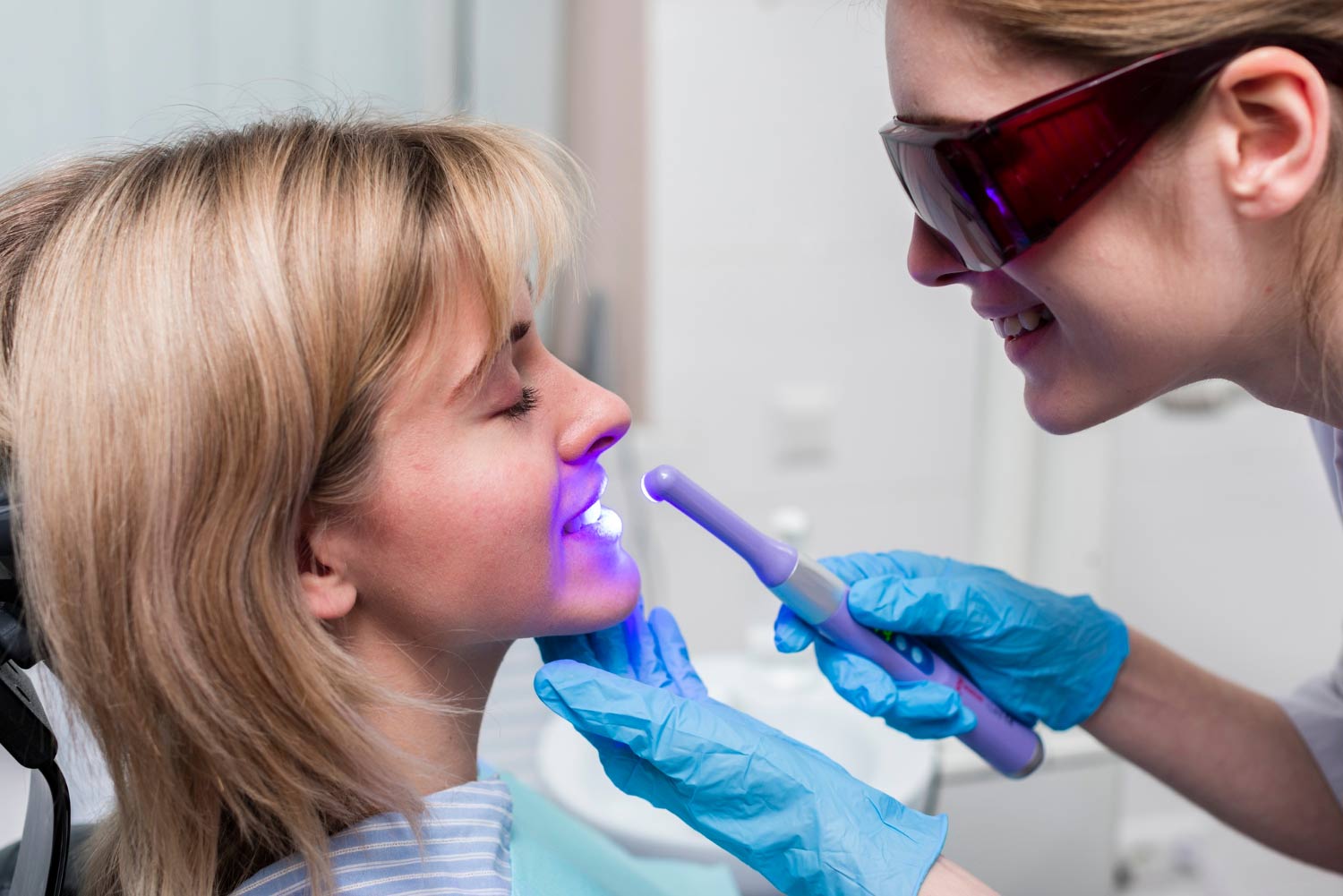
Family dentistry for adults adapts routine dental care to the changes that occur between ages 18 and 65, including gum recession, worn restorations, and shifting cosmetic priorities. Adults need professional cleanings and exams at intervals set by their dentist, typically every six months, plus targeted treatment when decay, gum disease, or failed restorations appear. This guide explains how adult dental needs evolve, which conditions become more common with age, and how sedation helps adults who have delayed care. For a complete overview of family dental care, see our main guide: Family Dentistry: A Complete Guide to Lifelong Dental Care for Every Age. You can also review our family dentistry service page: Family Dentistry.
Bonaventure Dental Care treats adults and children at 13431 Tiger Bend Rd in Baton Rouge, LA 70817. The practice serves families across St. George, Shenandoah, Old Jefferson, Oak Hills Place, and the Tiger Bend corridor. Dr. Justin K. Bonaventure leads the practice as owner and lead dentist.
Adult dental care connects to gum disease treatment, which protects the bone and tissue supporting teeth. It also connects to cosmetic dentistry for adults who want to improve the appearance of their smile. Both topics appear throughout this guide.
Key Takeaways (TL;DR)
- Adults need routine cleanings and exams every six months, or more often if gum disease, decay, or other risk factors are present.
- Nearly half of adults age 30 and older show signs of periodontal disease, according to the CDC, which makes gum evaluation a core part of adult dental care.
- Fillings, crowns, and other restorations wear down over time and need replacement or repair, typically after 7 to 15 years depending on the material.
- Cosmetic dentistry addresses adult concerns such as staining, chipped teeth, and gaps with whitening, porcelain veneers, and Invisalign.
- Sedation dentistry helps adults who have avoided care complete treatment comfortably, even after years away from the dentist.
- Preventive care reduces long-term costs by catching problems before they require root canals, implants, or extractions.
How Adult Dental Care Changes With Age
Adult dental care shifts from prevention-focused visits in early adulthood to maintenance and repair in middle age and beyond. A 25-year-old may need only cleanings and occasional fillings. A 55-year-old may need crown replacement, gum treatment, and management of dry mouth from medications. The dentist adjusts the plan to the patient’s stage of life.
The American Dental Association recommends routine checkups at intervals determined by the dentist based on each patient’s risk factors. Most adults benefit from a cleaning and exam every six months. Adults with periodontal disease may need visits every three to four months to monitor gum health.
What Changes Between Ages 18 and 40
Early adulthood brings wisdom tooth development, which can require extraction if the teeth are impacted or crowd other teeth. Adults in this range also face cavity risk from coffee, energy drinks, and inconsistent brushing during busy work or school schedules. Some adults begin orthodontic treatment with Invisalign during this stage.
What Changes Between Ages 40 and 65
Middle adulthood brings gum recession, which exposes tooth roots and increases sensitivity and cavity risk. Restorations placed earlier in life begin to fail. The National Institute of Dental and Craniofacial Research notes that adults in this range are more likely to need crowns, bridges, or dental implants to replace teeth lost to decay or periodontal disease. Dry mouth from medications becomes more common and increases cavity risk.
Gum Health and Periodontal Disease in Adults
Periodontal disease affects nearly half of adults age 30 and older in the United States, according to the CDC. The condition begins as gingivitis, which causes red, swollen gums that bleed during brushing. Left untreated, gingivitis progresses to periodontitis, which destroys the bone and tissue that hold teeth in place. Periodontitis is a leading cause of tooth loss in adults.
Adults with periodontal disease often need more frequent cleanings, a procedure called scaling and root planing to remove bacteria below the gumline, and ongoing monitoring. Bonaventure Dental Care offers gum disease treatment for adults at all stages of periodontal disease.
Risk Factors for Adult Gum Disease
- Smoking and tobacco use weaken the gums’ ability to fight infection and heal.
- Diabetes increases susceptibility to gum disease and makes it harder to control.
- Medications that cause dry mouth reduce saliva’s protective effect.
- Hormonal changes during pregnancy, menopause, and other transitions affect gum tissue.
- Poor oral hygiene allows plaque to accumulate and harden into tartar.
- Genetics increase risk even in adults with good hygiene habits.
Signs of Gum Disease in Adults
- Gums that bleed during brushing or flossing
- Red, swollen, or tender gums
- Persistent bad breath
- Gums that pull away from teeth, making teeth look longer
- Loose teeth or teeth that shift position
- Pain when chewing
Adults who notice any of these signs should schedule a dental exam. Early treatment reverses gingivitis and slows the progression of periodontitis.
Maintaining Restorations as an Adult
Restorations placed earlier in life need monitoring and eventual replacement. Composite fillings last about 7 to 10 years. Amalgam fillings last 10 to 15 years. Crowns last 10 to 15 years with good care. Bridges and implants have longer lifespans but still require maintenance. A family dentist checks restorations at each exam and recommends repair or replacement when they begin to fail.
Bonaventure Dental Care provides dental crowns, dental bridges, dental implants, and root canal therapy for adults who need restorative treatment. Replacing a failing restoration before it breaks prevents more extensive and costly treatment.
Cosmetic Dentistry for Adults
Cosmetic dentistry addresses appearance concerns that affect professional and social confidence. Adults pursue cosmetic treatment for staining, chipped teeth, gaps, misalignment, and worn edges. Common procedures include teeth whitening, porcelain veneers, Invisalign clear aligners, and smile makeovers that combine multiple treatments.
Teeth Whitening
Teeth whitening lightens stains from coffee, tea, wine, and tobacco. Professional whitening uses higher-concentration agents than over-the-counter products and includes a custom tray for even application. Results last months to years depending on diet and habits.
Porcelain Veneers
Porcelain veneers cover the front surfaces of teeth to correct chips, gaps, and discoloration. Veneers require removing a small amount of enamel and are bonded permanently. They last 10 to 15 years with good care.
Invisalign
Invisalign clear aligners straighten teeth without metal brackets and wires. Adults often choose Invisalign because the aligners are removable and nearly invisible. Treatment time ranges from 6 to 18 months depending on the complexity of the case.
Smile Makeover
A smile makeover combines multiple cosmetic procedures to address a patient’s specific concerns. Bonaventure Dental Care offers smile makeovers that may include whitening, veneers, and Invisalign. The dentist plans the sequence of treatments to achieve the desired result.
Dental Anxiety and Delayed Care in Adults
Dental anxiety causes many adults to delay care for years, which allows small problems to become large ones. A minor cavity becomes a root canal. Early gum disease becomes periodontitis. A chipped tooth becomes a fractured tooth that requires extraction. The Mayo Clinic notes that dental anxiety can stem from fear of pain, loss of control, embarrassment about oral health, or past trauma.
Adults who have avoided the dentist often feel ashamed of the condition of their teeth. A judgment-free approach encourages them to seek care without embarrassment. Bonaventure Dental Care emphasizes comfort and reducing dental anxiety, and the practice offers multiple sedation options for adults.
Sedation Options for Adults
Sedation dentistry offers options tailored to a patient’s anxiety level and procedure complexity. Nitrous oxide provides mild relaxation and wears off quickly, which makes it suitable for cleanings and fillings. Oral sedation uses a pill taken before the appointment to produce moderate sedation. IV sedation delivers medication directly into the bloodstream for deeper relaxation during longer or more complex procedures such as implants or full-mouth reconstruction.
Sedation allows adults who have delayed care to complete multiple procedures in fewer visits. A patient who needs several fillings, a crown, and a cleaning can receive treatment in one or two sedation appointments rather than several anxiety-provoking visits.
Rebuilding a Routine After Years Away
Adults returning to the dentist after years away benefit from a comprehensive exam, radiographs, and a personalized treatment plan. The dentist prioritizes treatment based on urgency, addressing pain and infection first, then restoring function and appearance. Once the initial treatment is complete, the patient returns to a routine cleaning and exam schedule.
Adult Dental Care by Age Stage
Adult dental needs change across decades. This guide outlines what to expect at each stage.
Young Adults (18 to 30)
- Monitor wisdom tooth development and extract impacted teeth if needed
- Maintain routine cleanings and exams every six months
- Address cavities from coffee, energy drinks, and inconsistent brushing
- Discuss Invisalign if alignment concerns exist
- Establish a dental home if moving to a new city
Adults (30 to 50)
- Monitor gum health for early signs of periodontal disease
- Replace fillings that show wear or discoloration
- Address cosmetic concerns with whitening, veneers, or Invisalign
- Discuss dental implants if teeth are lost
- Continue routine cleanings every six months, or more often if gum disease is present
Older Adults (50 to 65)
- Manage dry mouth from medications with fluoride and increased water intake
- Monitor gum recession and root decay
- Replace crowns, bridges, or fillings that have reached the end of their lifespan
- Discuss dentures or implant-supported prostheses if teeth are lost
- Screen for oral cancer at each exam
Frequently Asked Questions About Adult Dental Care
Q: How often should adults visit the dentist?
A: Most adults benefit from a cleaning and exam every six months. Adults with periodontal disease, dry mouth, or other risk factors may need visits every three to four months. The dentist determines the appropriate interval based on each patient’s oral health.
Q: What is periodontal disease?
A: Periodontal disease is an infection of the gums and bone that support teeth. It begins as gingivitis, which causes red, swollen gums that bleed. Untreated gingivitis progresses to periodontitis, which destroys bone and tissue and can lead to tooth loss. The CDC reports that nearly half of adults age 30 and older show signs of periodontal disease.
Q: How long do dental fillings and crowns last?
A: Composite fillings last about 7 to 10 years. Amalgam fillings last 10 to 15 years. Crowns last 10 to 15 years with good care. The dentist checks restorations at each exam and recommends replacement when they begin to fail.
Q: Can adults get braces or Invisalign?
A: Yes. Adults can straighten their teeth with Invisalign clear aligners or traditional braces. Invisalign is popular among adults because the aligners are removable and nearly invisible. Treatment time ranges from 6 to 18 months depending on the complexity of the case.
Q: What if I haven’t seen a dentist in years?
A: Adults returning to the dentist after years away benefit from a comprehensive exam, radiographs, and a personalized treatment plan. The dentist prioritizes treatment based on urgency, addressing pain and infection first. Sedation options help patients who experience anxiety complete necessary care comfortably.
People Also Ask About Adult Dental Care
How much does adult dental care cost? The cost of adult dental care varies by procedure and insurance coverage. A routine cleaning and exam typically costs less than restorative or cosmetic treatment. Most dental insurance plans cover preventive care at 100 percent and restorative care at 50 to 80 percent. Contact the practice for specific pricing and insurance information.
Why do my gums bleed when I brush? Bleeding gums usually indicate gingivitis, the earliest stage of gum disease. Plaque accumulation along the gumline causes inflammation and bleeding. Professional cleaning and improved home care reverse gingivitis. Persistent bleeding after treatment may indicate periodontitis, which requires more extensive treatment.
Can gum disease be cured? Gingivitis is reversible with professional cleaning and improved home care. Periodontitis is manageable but not curable. Treatment slows progression and preserves teeth, but ongoing monitoring and maintenance are required.
How can I prevent cavities as an adult? Brush twice daily with fluoride toothpaste, floss daily, limit sugary and acidic drinks, drink water throughout the day, and schedule routine dental cleanings and exams. Adults with dry mouth may need additional fluoride or prescription toothpaste.
Are dental implants better than bridges? Dental implants replace missing tooth roots and do not require altering adjacent teeth. Bridges anchor to adjacent teeth, which must be prepared. Implants cost more upfront but often last longer and preserve bone. The best option depends on the patient’s health, bone density, and preferences.
People Also Search For
- Dentist for adults near me
- Gum disease treatment for adults
- Dental implants for adults
- Cosmetic dentistry for adults
- Sedation dentistry for anxious adults Baton Rouge
About Dr. Justin K. Bonaventure

Dr. Justin K. Bonaventure owns and leads Bonaventure Dental Care in Baton Rouge, LA. He provides family dentistry, sedation dentistry, cosmetic dentistry, and restorative care to adults across St. George, Shenandoah, Old Jefferson, Oak Hills Place, and the Tiger Bend corridor. Dr. Bonaventure is a member of the American Dental Association and the Louisiana Dental Association, and he is a former president of the Greater Baton Rouge Dental Association. The practice offers same-day emergency appointments and multiple sedation options for anxious adults.
Learn more about the practice: Meet the Team | Family Dentistry | Sedation Dentistry
Sources
- American Dental Association. “Dental Check-ups.” ada.org
- Centers for Disease Control and Prevention. “Periodontal Disease.” cdc.gov
- National Institute of Dental and Craniofacial Research. “Oral Health in Older Adults.” nidcr.nih.gov
- Mayo Clinic. “Dental anxiety: Tips for coping.” mayoclinic.org
- Bonaventure Dental Care. “Family Dentistry.” bonaventuredental.com
- Bonaventure Dental Care. “Gum Disease Treatment.” bonaventuredental.com
Conclusion
Family dentistry for adults adapts to the changes that occur between ages 18 and 65. Gum health becomes a priority as periodontal disease risk rises. Restorations placed earlier in life need monitoring and eventual replacement. Cosmetic concerns often prompt adults to pursue whitening, veneers, or Invisalign. Sedation dentistry helps adults who have delayed care complete treatment comfortably.
Bonaventure Dental Care treats adults and children at 13431 Tiger Bend Rd in Baton Rouge, LA 70817. The practice serves families across St. George, Shenandoah, Old Jefferson, Oak Hills Place, and the Tiger Bend corridor. Dr. Justin K. Bonaventure leads a team focused on comfort, prevention, and judgment-free care for every age.
Ready to Schedule Adult Dental Care?
Call Bonaventure Dental Care to schedule a cleaning, exam, or consultation. Same-day emergency appointments are available for toothaches and dental injuries.
📍 13431 Tiger Bend Rd, Baton Rouge, LA 70817 | 📞 (225) 753-0123
Visit Our Homepage | Family Dentistry Services | Sedation Dentistry
Return to the main family dentistry guide: Family Dentistry: A Complete Guide to Lifelong Dental Care for Every Age. Read our guide to children’s dentistry: Family Dentistry for Children: A Parent’s Guide to First Visits and Early Oral Care. Read our preventive care guide: Preventive Dental Care: Cleanings, Exams, and Habits That Protect Every Age.
Last reviewed: September 2026