Losing a tooth may seem like a cosmetic issue at first, especially if it’s hidden in the back of your mouth. However, not replacing your missing tooth can lead to a chain reaction of oral health problems that affect your bite, your comfort and even your long-term dental health. The good news is that modern dentistry offers several reliable options to restore your smile and help you protect the health of your mouth.
At Bonaventure Dental Care in Baton Rouge, LA, we often meet patients who have lived with a missing tooth for months or even years. Many are surprised to learn how much a single missing tooth can impact the rest of their smile over time.
A Missing Tooth Affects More Than the Empty Space
When you lose a tooth, your surrounding teeth and jawbone no longer receive the support they were designed to have.
Your teeth work together as a team. Each tooth helps maintain proper spacing, supports your chewing function and keeps your neighboring teeth in proper alignment. When one tooth disappears, that balance begins to change.
At first, you may not notice anything unusual. Eating may feel slightly different, or you may find yourself chewing on one side of your mouth more often. Over time, however, the effects become more noticeable.
Many patients tell us they adapted to their missing tooth and stopped thinking about it. Unfortunately, your mouth never truly stops responding to that empty space.
Why Do Teeth Shift After Tooth Loss?
One of the most common consequences of a missing tooth is the movement of your surrounding teeth. Your teeth naturally rely on their neighboring teeth for stability. When there is an open space, the nearby teeth may gradually begin to drift toward it. The tooth opposite the gap may also begin to move because it no longer has a matching tooth to bite against.
This shifting can create several problems, including:
- Changes in your bite alignment
- Difficulty chewing certain foods
- Increased wear on your remaining teeth
- Food trapping between your teeth
- Greater risk of cavities and gum disease
What begins as a single missing tooth can eventually affect multiple teeth throughout your mouth.
What Happens to Your Jawbone When a Tooth Is Missing?
Your jawbone depends on stimulation from your tooth roots to maintain its strength and density. Every time you chew, the roots of your teeth send signals to the surrounding bone. When you lose a tooth, those signals stop. As a result, the bone in that area begins to shrink. This bone loss can start surprisingly quickly after tooth extraction or tooth loss.
Over time, bone loss may lead to:
- Changes in your facial appearance
- Reduced support for your neighboring teeth
- Increased difficulty replacing your tooth later
- A sunken look around your mouth or cheeks
Patients are often surprised to learn that their missing teeth can affect their facial structure. This is one reason we recommend discussing your replacement options sooner rather than later.
Can a Missing Tooth Affect How I Eat?
Yes, even a single missing tooth can make chewing less efficient. Many people unconsciously begin avoiding certain foods because they become harder to eat comfortably. Crunchy vegetables, nuts, meats and other nutritious foods may become more difficult to chew.
As your chewing patterns change, extra pressure is placed on your remaining teeth. Over time, this can increase wear and contribute to additional dental problems. Your mouth is designed to distribute those chewing forces evenly, and when you have missing teeth, that balance is disrupted.
The Emotional Side of Missing Teeth
Some people become self-conscious about smiling in photographs, speaking in public or meeting new people. Others worry that their missing tooth makes them appear older than they feel.
At Bonaventure Dental Care, we believe your dental care includes helping you feel comfortable, healthy and confident in everyday situations. Whether a missing tooth affects your appearance, your ability to eat comfortably or simply your peace of mind, your concerns deserve thoughtful attention.
Is It Ever Too Late to Replace a Missing Tooth?
In many cases, no. Even if you’ve been missing that tooth for several years, there may still be excellent options available to replace it. However, the planning process may become more complex if you have experienced significant shifting or bone loss.
That’s why early evaluation is so valuable. Our team takes a collaborative approach with every patient. We carefully examine your oral health, discuss your goals and review treatment options that fit your needs and lifestyle. Every situation is unique, and the best solution depends on factors such as your overall dental health, jawbone condition, budget and long-term goals.
What Are My Options for Replacing a Missing Tooth?
We offer several effective solutions to replace your missing teeth. Dental implants are often considered the closest replacement to your natural tooth. A dental implant replaces your tooth root and supports a custom restoration above your gumline. Because implants stimulate your jawbone, they help reduce future bone loss while restoring function and appearance.
A dental bridge fills the gap by anchoring a replacement tooth to your neighboring teeth. For some patients, a bridge can provide a reliable and attractive solution without surgery.
For patients who are missing multiple teeth, removable options such as partial dentures may be recommended. These restorations can restore function and help maintain proper spacing within the smile.
At Bonaventure Dental Care, our treatment recommendations are never one-size-fits-all. We take time to explain the advantages and considerations of each option so patients can make informed decisions with confidence.
Why Early Action Often Leads to Simpler Treatment
The longer your missing tooth remains untreated, the more opportunities there are for shifting teeth, bone loss and bite changes to occur.
Replacing your tooth sooner can often help preserve your existing bone structure and prevent additional complications. It may also expand the number of treatment options available to you.
A consultation at our office can provide you with answers and solutions without pressure and help you understand what is happening in your mouth today.
Don’t Ignore a Missing Tooth
A missing tooth may seem like a small issue, but the effects can spread throughout your entire mouth over time. Shifting teeth, bone loss, bite changes and difficulty chewing are all common consequences of leaving that space untreated.
The good news is that you do not have to figure it out alone. At Bonaventure Dental Care in Baton Rouge, LA, we work closely with you to create personalized treatment plans that restore your comfort, dental function and confidence. Our team believes in thoughtful planning, clear communication and patient-centered care every step of the way.
If you have a missing tooth or are considering your tooth replacement options, contact Bonaventure Dental Care today to schedule an appointment. We would be happy to discuss your concerns, answer your questions and help you find the solution that is right for you.
About the Author
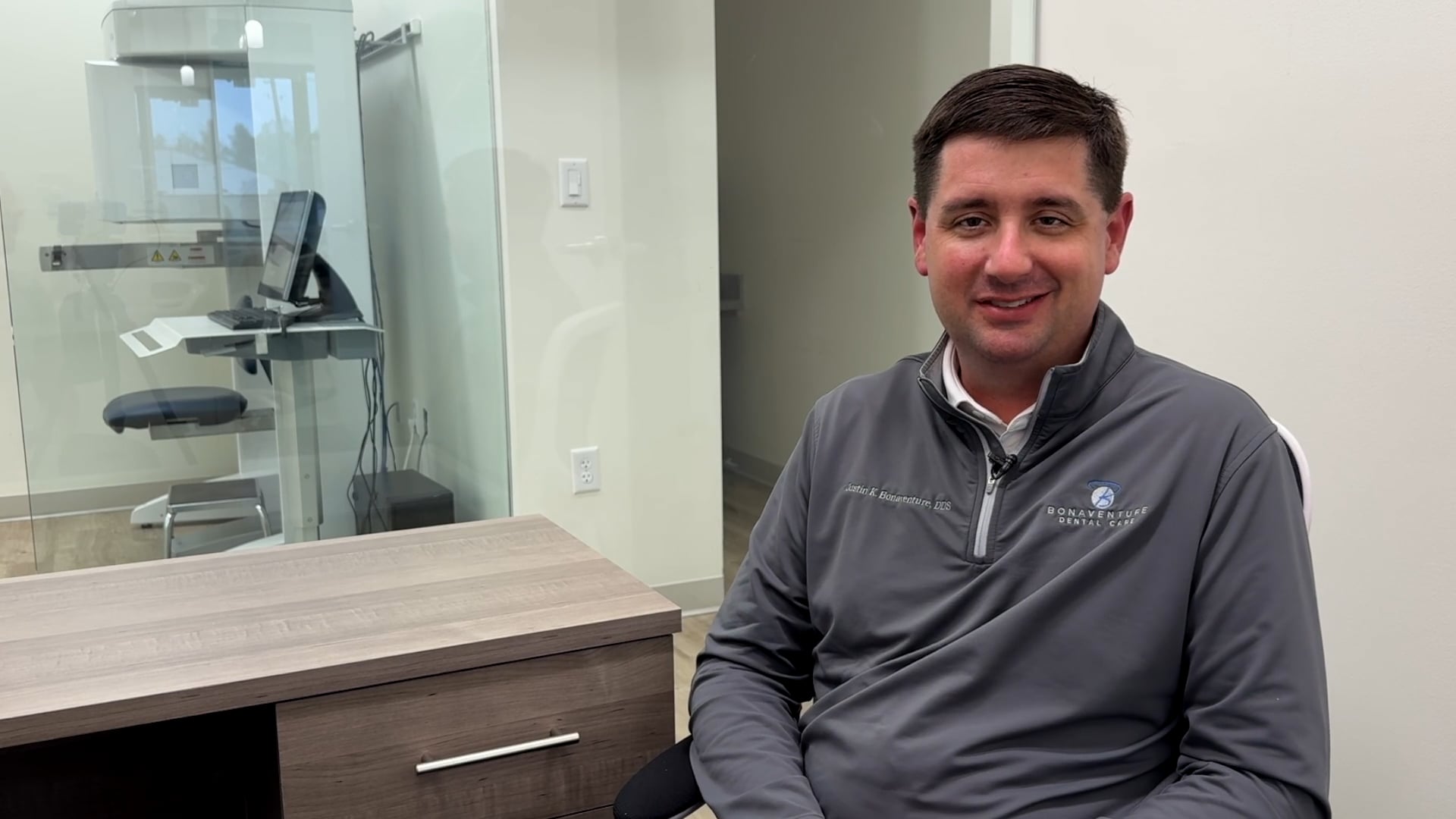
Dr. Justin K. Bonaventure, DDS, is the lead dentist at Bonaventure Dental Care in Baton Rouge, Louisiana. Dr. Bonaventure is dedicated to helping patients make informed decisions about their oral health through comprehensive evaluations, personalized treatment planning and compassionate care. His patient-centered approach focuses on long-term dental health, function and comfort while providing modern solutions for tooth replacement and restorative dentistry.